Yale Assure Deadbolt Lock with Touchscreen review: A Grade 2 deadbolt with physical key, optional smart connectivity

Yale Assure Lock Touchscreen delivers reliable and convenient everyday performance, with users describing its operation as smooth and dependable compared with other locks

When you purchase through links on our site, we may earn an affiliate commission. Here’s how it works.

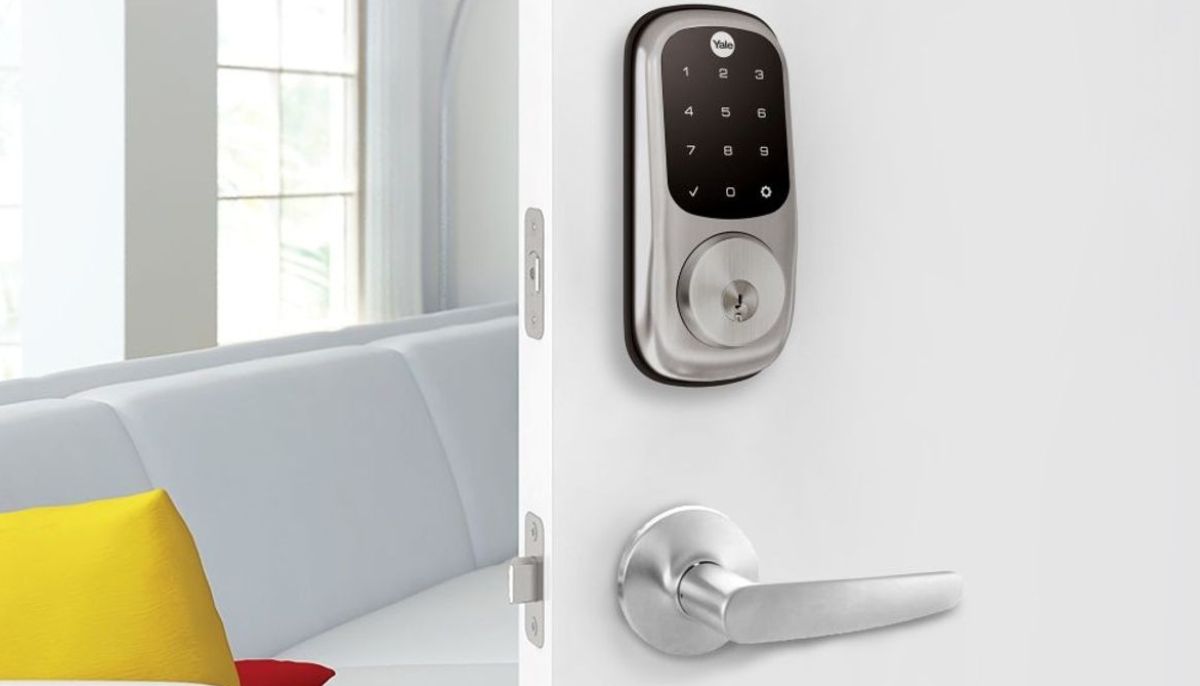
The Yale Assure Lock Touchscreen offers a seamless transition into keyless home access. Designed for standard residential doors, it replaces your existing mechanical deadbolt using basic tools. 

The unit features a responsive, backlit keypad that lets homeowners program multiple unique PIN entry codes, eliminating the need to keep spare keys under a doormat. Built with a Grade 2 certified metal chassis, it delivers robust daily security alongside helpful features like automatic re-locking.

Specifications

  • ASIN: B06XX2VHHY

  • Model: YRD226-NR-619

  • Dimensions: 14 x 14 x 25.4 cm

  • Weight: 1.36 kg

  • Lock type: Keypad Deadbolt with Physical Key Override

  • Finish: Satin Nickel

  • Certification: ANSI/BHMA Grade 2

  • Battery type: 4 x AA Batteries (Included)

  • Connectivity: Upgradeable via optional Yale Smart Module (sold separately)

Performance

The Yale Assure Lock Touchscreen delivers reliable and convenient everyday performance, with users describing its operation as smooth and dependable compared with other Wi-Fi-connected locks.

The Yale app further enhances functionality by allowing remote locking, while customisable access codes make it practical for granting temporary entry to family members, friends, or service providers.

Today's best deals

Reasons to buy

  • Grade 2 certification delivers proven structural security for front doors.

  • Backlit touchscreen keypad makes entering PIN codes easy in low-light environments.

  • Auto-lock setting automatically secures the door after a set period for added peace of mind.

  • Physical key bypass ensures you are never locked out during a dead battery scenario.

  • Modular construction allows adding Wi-Fi or smart hub connectivity later if required.

Reasons to avoid

  • Smart home app features and Wi-Fi require an optional module purchased separately.

  • Touchscreen surface can retain fingerprints if not wiped down regularly.

  • Touchscreen layout may take time to adapt to for users accustomed to physical push-buttons.

Zainab Talha is a technology journalist specialising in electric vehicles, EV charging infrastructure, sustainable mobility, and emerging transportation technologies. Her reporting explores the innovations, policies, and industry developments driving the global shift towards cleaner and smarter mobility.

Her coverage spans the wider EV ecosystem, including charging networks, battery technology, renewable energy integration, smart mobility solutions, and government initiatives. She follows developments across automotive manufacturers, energy companies, charging providers, and technology firms to examine how new technologies are changing the way people travel and power their vehicles.

Beyond electric mobility, Zainab covers consumer technology, artificial intelligence, clean energy, connected devices, and digital transformation. She also has expertise in smart home and security technologies, reporting on deadbolts, smart locks, access control systems, surveillance devices, and connected security solutions.

Her work examines emerging technologies such as biometric authentication, remote access, IoT connectivity, and AI-powered security, with a focus on their practical applications and impact on consumers.

Known for her research-driven and accessible approach, Zainab translates complex technological developments into clear, engaging stories. Her reporting combines technical understanding with real-world context, helping readers navigate the rapidly changing worlds of mobility, technology, sustainability, and connected living.