Jul 25, 2026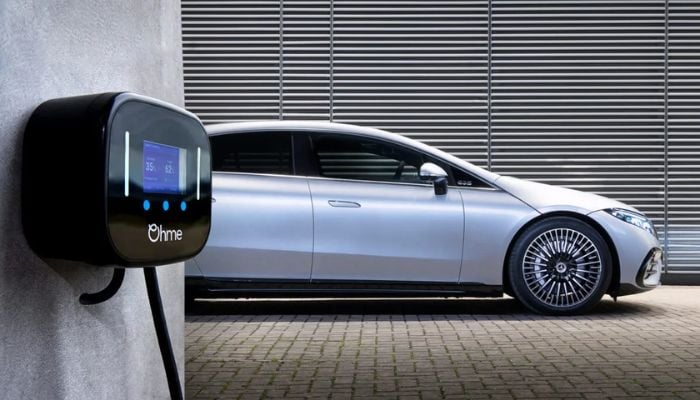
With electric vehicles (EVs) becoming quite common on roads worldwide, home charging technology is evolving just as quickly.
In today's age, modern EV charging is no longer limited to simply plugging in a vehicle and waiting for the battery to fill. Instead, smart EV charging is introducing intelligent automation that helps drivers reduce electricity costs, improve charging efficiency, and support a more sustainable energy grid.
Unlike conventional chargers that begin supplying power immediately after being connected, smart EV chargers use internet connectivity, mobile applications, and real-time energy data to determine the most efficient time to charge.
What is smart EV charging?
Smart EV charging is a connected charging system that enables communication between an EV charger, the electricity grid, and, in many cases, the driver's smartphone.
Using cloud-based software and real-time energy data, the charger can automatically adjust charging schedules based on electricity prices, household energy demand, grid conditions, or user preferences.
Many smart chargers also allow users to set charging schedules, preferred departure times, minimum battery levels, and maximum charging costs through a companion mobile app.
How intelligent charging works
A typical smart charging setup includes a Wi-Fi-enabled EV charger, internet access, and a mobile application.
Once the vehicle is connected, the charger analyses information such as electricity tariffs, energy demand, renewable energy availability, and charging preferences before deciding when to begin charging.
Some advanced systems can also adjust charging speed during periods of high grid demand, helping maintain grid stability while reducing household energy costs.
How smart charging benefits EV owners
One of the biggest advantages of smart charging is lower running costs. By automatically charging during off-peak hours, drivers can significantly reduce their electricity bills without any manual intervention.
Smart chargers also improve convenience by allowing users to monitor charging sessions remotely, receive charging notifications, and start or stop charging through a smartphone app.
Another major benefit is compatibility with renewable energy. Smart charging can prioritise periods when wind or solar generation is highest, allowing EV owners to use cleaner electricity while reducing reliance on fossil fuels.
Beyond helping individual drivers save money, intelligent charging supports businesses by simplifying charger management, automated billing, and energy monitoring.