Jul 24, 2026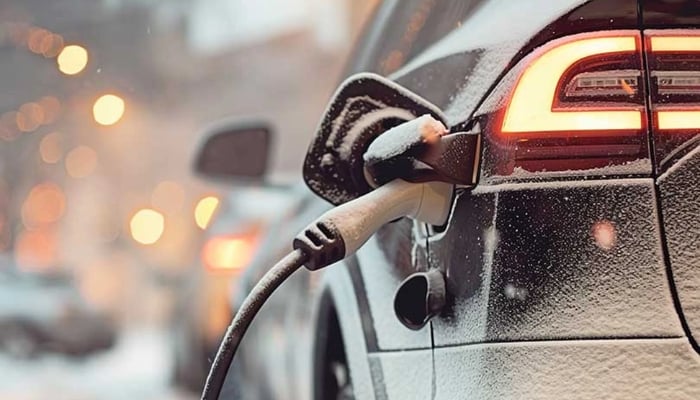
For electric vehicle (EV) performance, weather plays a important role, and one area many drivers overlook is its impact on charging speed. Whether you're charging at home or using a public fast charger, extreme temperatures can influence how quickly your EV battery accepts power.
Cold winters may slow charging considerably, while excessive summer heat can also reduce charging efficiency as the battery management system works to protect the health of the charging station.
For EV owners, understanding how different weather conditions affect EV charging can help you plan trips, improve charging efficiency, and maintain your battery's long-term health. Gadinsider has compiled all the important details, explaining how cold, hot, rainy, and snowy conditions impact EV charging speed, along with practical tips to maximize charging performance in every season.
Why does weather impact EV charging?
Unlike gasoline vehicles, EVs depend on lithium-ion batteries, which perform best within a moderate temperature range—typically between 68°F and 86°F (20°C to 30°C). When temperatures move outside this range, the battery management system (BMS) adjusts charging power to protect the battery from damage.
Charging speeds may decrease during extreme cold or heat, even if you're connected to a high-power charger.
Winters have the heavy impact on charging speed because the chemical reactions inside lithium-ion batteries become less efficient.
Common effects
- Charging power may be reduced
- Cooling systems consume additional energy
- Longer charging times during heat waves
- Reduced fast-charging performance after long highway drives
Tips to improve EV charging speed
During winter
- Precondition the battery before charging.
- Park in a garage whenever possible.
- Use scheduled charging before departure.
- Drive for a short period before DC fast charging.
During summer
- Charge in shaded areas.
- Avoid back-to-back fast charging sessions.
- Let the battery cool after long drives.
- Charge during cooler morning or evening hours.