When you purchase through links on our site, we may earn an affiliate commission. Here’s how it works.
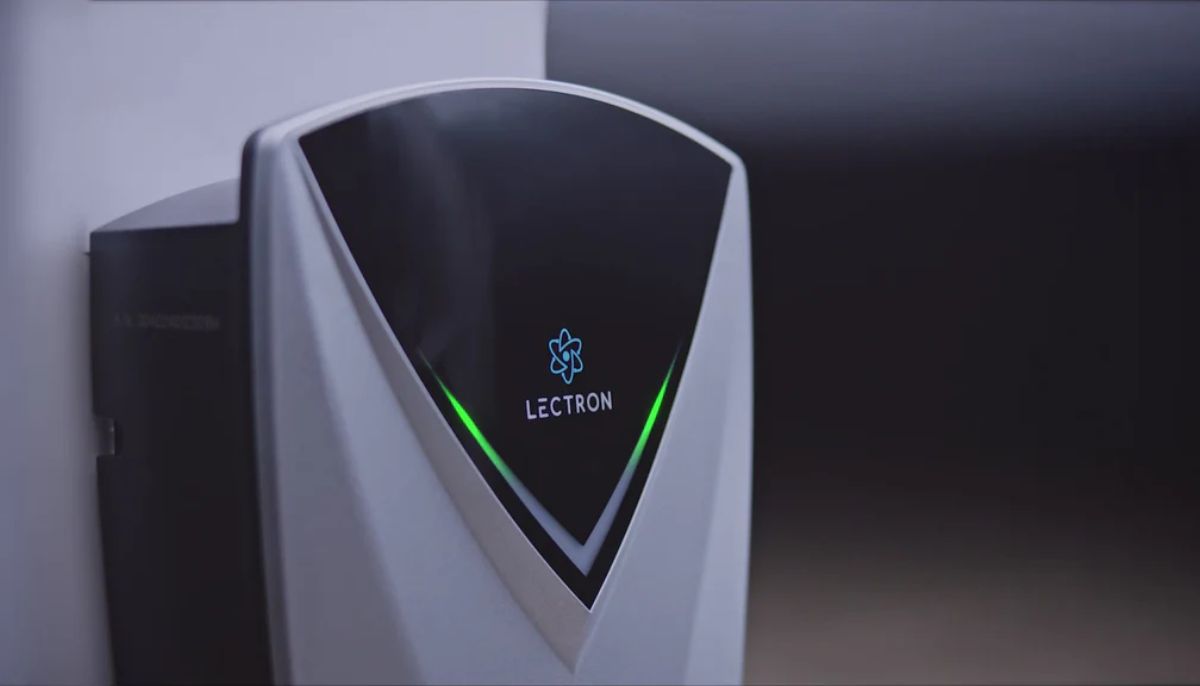
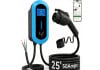
The Lectron Level 2 J1772 Charger (WiFi Version) is a powerhouse designed for EV owners who want to move beyond the slow "trickle" of Level 1 charging.
By upgrading to this unit, you can dramatically decrease the time your vehicle spends tethered to the wall, making it an ideal upgrade for anyone seeking a more efficient daily routine.
Specifications
- ASIN: B0DQDFHTNJ
- Voltage: 240V AC
Amperage: 40 Amp
Plug type: NEMA 14-50
Connector: J1772 (Compatible with most North American EVs; Tesla requires adapter)
Cable length: 16 ft
Connectivity: WiFi-enabled for App control
Rating: Weatherproof for indoor/outdoor use
Perfomance
The Lectron Level 2 J1772 Charger (WiFi Version) delivers reliable and efficient charging with up to 40 Amps of output, providing speeds up to seven times faster than a standard Level 1 outlet.
It consistently supports overnight charging for most EVs, while the WiFi-enabled smart features let users schedule charging sessions, monitor progress, and optimize energy use for greater convenience and cost savings.
Today's best deals
Lectron Level 2 J1772 Charger (WiFi Version) — View at Amazon
Reason to buy
-
Blazing speed: The 40-amp output significantly reduces charging time, often providing a full charge overnight for even the largest EV batteries.
-
Smart scheduling: Use the WiFi app to charge when electricity rates are lowest, effectively paying for the charger over time through utility savings.
-
Portability: Unlike hardwired stations, this uses a NEMA 14-50 plug, meaning you can take it with you if you move or go on a road trip to a location with an RV hookup.
-
Rugged build: The J1772 handle and cable are built to withstand high usage and various weather conditions
Reason to avoid
-
Short cable length: At 16 feet, the cable is shorter than the industry standard (which typically runs 20–25 feet), potentially posing placement challenges. This might be a dealbreaker if your outlet is far from your car's charging port.
-
WiFi setup: Some users report that the initial app syncing process can be finicky depending on your home router's signal strength in the garage.
-
Plug requirement: It requires a dedicated 240V NEMA 14-50 outlet. If you do not already have one installed, the cost of hiring a professional electrician will add to your total investment.

Zainab Talha is a technology journalist specialising in electric vehicles, EV charging infrastructure, sustainable mobility, and emerging transportation technologies. Her reporting explores the innovations, policies, and industry developments driving the global shift towards cleaner and smarter mobility.
Her coverage spans the wider EV ecosystem, including charging networks, battery technology, renewable energy integration, smart mobility solutions, and government initiatives. She follows developments across automotive manufacturers, energy companies, charging providers, and technology firms to examine how new technologies are changing the way people travel and power their vehicles.
Beyond electric mobility, Zainab covers consumer technology, artificial intelligence, clean energy, connected devices, and digital transformation. She also has expertise in smart home and security technologies, reporting on deadbolts, smart locks, access control systems, surveillance devices, and connected security solutions.
Her work examines emerging technologies such as biometric authentication, remote access, IoT connectivity, and AI-powered security, with a focus on their practical applications and impact on consumers.
Known for her research-driven and accessible approach, Zainab translates complex technological developments into clear, engaging stories. Her reporting combines technical understanding with real-world context, helping readers navigate the rapidly changing worlds of mobility, technology, sustainability, and connected living.

 Jul 16, 2026