Tech Desk
  Jun 24, 2026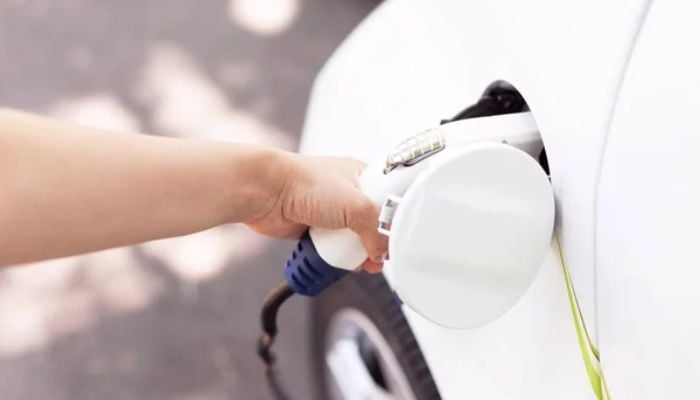
As electric vehicles (EV) become more popular, having a reliable portable charger has become as important as buying the right car itself.
Whether you're charging at home or during a road trip, a portable EV charger can give you the peace of mind and ensure you never run out power.
With so many options available, Gadinsider has curated some of the best portable EV chargers for 2026 that combine speed, convenience, and smart features.
What is a portable EV charger?
A portable EV charger is a charging device that allows EV owners to recharge their cars wherever a compatible power outlet is available. Unlike permanently mounted wall boxes, portable chargers can easily be carried in the trunk and used at home, work, hotels, or during road trips.
Best portable chargers
1. Emporia EV Charger
The Emporia EV Charger is a perfect choice for EV owners who want advanced energy monitoring alongside fast charging performance. It delivers up to 48 amps (11.5 kW), and is available with both J1772 and NACS connectors and can be installed as either a plug-in or hardwired unit.
One of its standout features is real-time energy tracking, which helps homeowners monitor electricity usage and prevent overloads.
Pros
- You can track your energy use
- Load management capabilities
- Ideal for solar-powered homes
Cons
- It is more complex setup than standard chargers
2. ChargePoint Home Flex
Available for around $539, the ChargePoint Home Flex remains one of the most popular portable Level 2 chargers on the market. It supports charging speeds of up to 12 kW and offers adjustable current settings ranging from 16 to 50 amps.
Pros
- Powerful 12 kW charging
- Excellent app integration
- Flexible installation options available
Cons
- More expensive than entry-level chargers
3. Mustart Level 2 Charger
EV owners who are looking for affordability without compromising performance should consider the Mustart Level 2 Portable EV Charger.
With a maximum output of 40 amps, it charges significantly faster than standard Level 1 chargers and can replenish a 60 kWh battery in under 4.5 hours under ideal conditions.
Pros
- Affordable price
- Fast 40-amp charging
- Built-in surge protection
Cons
- Requires a 240V outlet