Zainab Talha
  Jun 30, 2026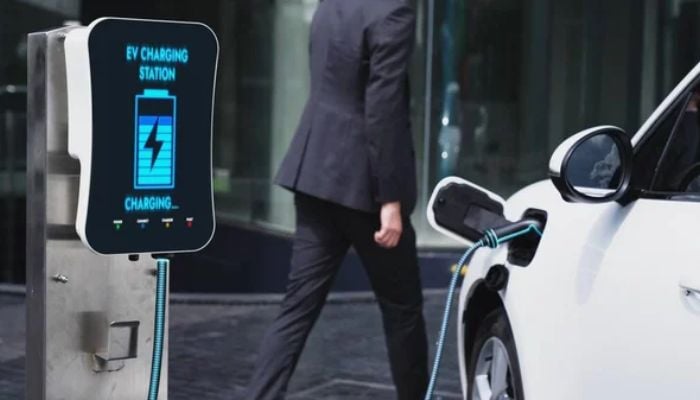
While buying your first electric vehicle (EV) is exciting, learning how to charge it properly can feel overwhelming at first.
Unlike conventional cars, EVs offer multiple charging options, different connector types, and varying charging speeds that every new owner should understand.
Therefore, to help first-time EV owners get started, Gadinsider has rounded up five essential charging tips that will make ownership easier, save money, and help you get the most from your vehicle.
EV charging tips for beginners
1. Understand the different types of EV chargers
Not all EV chargers deliver the same charging speed. Level 1 chargers use a standard 120V household outlet and are best suited for overnight charging or drivers with short daily commutes.
Meanwhile, Level 2 chargers operate on a 240V supply and can recharge an EV much faster, making them the preferred option for most homeowners.
On the other hand, DC fast chargers are designed for long-distance travel, while wireless charging remains an emerging technology with limited availability.
2. Know where you can charge your EV
Notably, home charging is the most convenient option for most drivers, especially if you have a dedicated parking space. That said, public charging stations are increasingly available at shopping centres, office buildings, hotels, and highway service areas, making longer journeys much easier.
Some workplaces also provide employee charging stations, allowing drivers to recharge while they work.
3. Plan your charging before every trip
Running out of battery is rarely a problem if you plan ahead. Before travelling, use your vehicle's navigation system or a charging station app to locate available chargers along your route.
This tip is particularly important for longer journeys where DC fast chargers may be limited or in high demand.
4. Learn the charging process
Charging an EV is straightforward once you understand the basics. Plug the connector into your vehicle, authenticate using a charging card, smartphone app, or payment method if required, and begin charging.
Once the session is complete, stop the charge through the app or charger interface before disconnecting the cable and storing it properly.
5. Choose the right charger for your EV
Choosing the right charger for your car is very important. Drivers who travel short distances each day may find a Level 1 charger sufficient, while frequent commuters will benefit from installing a Level 2 charger at home.
If you regularly take road trips, becoming familiar with nearby public and fast-charging networks will make travelling much more convenient.