Jun 28, 2026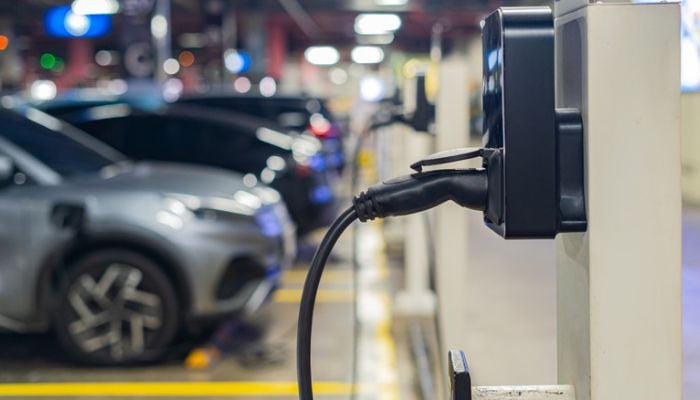
As electric vehicles (EVs) continue to replace petrol and diesel cars, home charging has become part of many drivers' daily routine.
While modern EV chargers are designed to be reliable, occasional charging issues are almost inevitable. From slow charging speeds to unexpected error messages, understanding the most common EV charging problems can save time, reduce frustration, and help avoid unnecessary repair costs.
Whether you use a portable charger or a wall-mounted Level 2 charging station, knowing how to identify basic charging issues can often get you back on the road without calling a technician.
Why do EV charging problems happen?
Charging issues can originate from several parts of the system, including the charger itself, the home's electrical wiring, the vehicle, or even the local power supply.
In often cases, a simple loose connection, scheduled charging setting, or tripped circuit breaker is responsible rather than a major hardware failure.
Most common EV charging problems
One of the most common complaints is a charger that refuses to start. Before assuming the charger is faulty, check whether the circuit breaker has tripped, inspect the charging cable for visible damage, and make sure the connector is fully inserted into the vehicle's charging port.
Another frequent issue is when the charger powers on but the vehicle does not begin charging.
This often happens because of communication errors between the charger and the car, delayed charging schedules, or a connector that is not securely locked into place.
Unplugging the charger, waiting a few seconds, and reconnecting it usually resolves the problem.
Slow charging speeds are also common. Using the wrong outlet, selecting a lower amperage setting, charging when the battery is nearly full, or extremely hot or cold weather can all reduce charging performance.
Understanding warning lights and error codes
Many modern EV chargers use LED indicators or display error codes to identify faults. A flashing red light typically indicates a grounding issue, overheating, or a connection problem, while temperature warnings appear when the battery or charger becomes too hot or too cold.
If an error code appears repeatedly, consult the charger's manual or companion app before attempting further troubleshooting.
Call a professional
Although many charging problems have simple fixes, persistent circuit breaker trips, burning smells, damaged cables, repeated ground faults, or physical damage to the charger should always be inspected by a qualified electrician.
Understanding these common EV charging problems helps drivers diagnose minor issues quickly, maintain reliable charging performance, and extend the lifespan of both their charger and electric vehicle.