Tech Desk
  Jun 24, 2026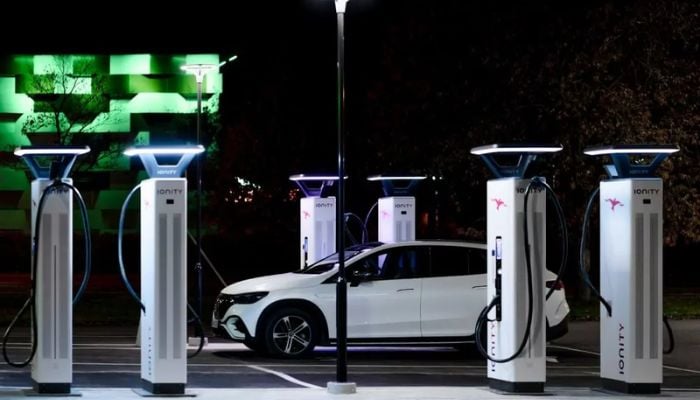
While choosing the right electric vehicles (EV) charger is an important first step, maintaining properly is equally hectic.
However, regular maintenance not only helps extend the life of an EV charger but also improves safety, reliability, and overall charging performance.
Maintenance of an EV charger
As EV continue to become a part of everyday life, more homeowners and businesses are investing in EV charging stations.
Fortunately, most EV charging stations require relatively little maintenance. However, a few routine checks can help in preventing expensive repairs and unexpected downtime.
1. Inspect and clean your charger regularly
For home charging stations, experts suggest performing a visual inspection at least once a month. Check the charging cable, connector, and housing for signs of wear such as cracks, fraying, loose connections, or physical damage.
Dust, dirt, and moisture can also affect performance over time. Use a microfiber cloth to wipe down the charger, cable, and connector. Avoid harsh cleaning chemicals that could damage sensitive components.
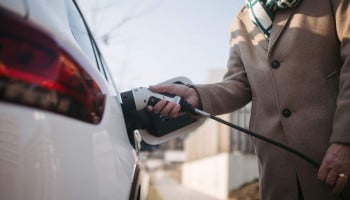
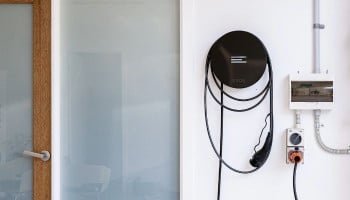
One simple habit can make the cable life longer: never allow the charging cable to drag across the ground. Instead, neatly coil the cable and place it on the charger's holster after each use.
2. Schedule professional electrical inspections
Although most Level 2 home chargers require minimal maintenance, homeowners should have a licensed electrician inspect the charger and dedicated circuit every one to two years.
These inspections help identify loose wiring, aging connections, or electrical issues before they become safety hazards.
3. Track charging performance
Monitoring charging data can provide early warning signs of potential problems. If charging sessions suddenly become slower than normal or energy delivery appears inconsistent, it may indicate that maintenance or repairs are needed.
Many smart chargers offer remote monitoring capabilities that can automatically alert owners to faults, outages, or unusual activity.
4. Maintain commercial charging stations
As for commercial charging networks, routine inspections should occur every one to two weeks. Operators should check touchscreens, RFID readers, payment terminals, cables, and charging ports for damage or vandalism.
In short, maintaining an EV charging station doesn't have to be complicated. Regular cleaning, periodic inspections, software updates, and performance monitoring can help keep chargers operating safely and efficiently for years.