Zainab Talha
  Jul 01, 2026
Owning an electric vehicle (EV) is generally more affordable than driving a petrol or diesel car, but charging costs can cause inconvenience if one is not careful.
Whether you charge your EV at home or rely on public charging stations, a few simple habits can make a noticeable difference to your monthly electricity bill.
Gadinsider has listed below five practical ways to reduce your EV charging costs.
1. Charge at home whenever possible
Home charging is the most affordable option for most EV owners. A Level 2 home charger may require an upfront investment, but it often delivers lower charging costs over time compared to public fast chargers.
If your electricity provider offers time-of-use pricing, schedule charging during off-peak hours when electricity rates are lower.
2. Use smart charging features
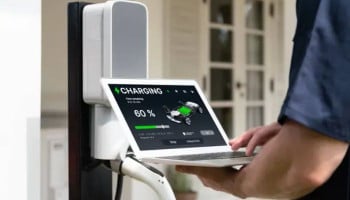
Many chargers include smartphone apps that allow users to schedule charging sessions, monitor electricity usage, and track charging costs.
Instead of manually plugging in at specific times every night, a smart charger does the work automatically, making it easier to maximize savings.
3. Choose the right public charger
Not every charging session requires the fastest charger available. While DC fast chargers are ideal for long-distance travel or emergencies, they usually cost more than standard AC chargers.
If your vehicle will remain parked for several hours—such as at work, a shopping centre, or overnight—using an AC charger can significantly reduce charging expenses without affecting your daily routine.
4. Avoid unnecessary public charging fees
Many public charging networks charge fees once your vehicle has finished charging. These penalties are designed to prevent drivers from occupying chargers longer than necessary and can quickly increase the total cost of a charging session.
Enable charging notifications through your vehicle or charging app so you know when charging is complete.
5. Charge only when you need
Charging to 100% isn't always necessary for everyday driving. For many daily commutes, charging to around 80% provides more than enough range while reducing both charging time and public charging costs.