Jul 16, 2026
As temperatures climb during the summer months, electric vehicle (EV) owners often focus on keeping their car cool—but the heat can also affect charging performance and battery efficiency.
Fortunately, a few simple habits can help drivers keep their batteries healthier, improve charging efficiency, and get the most out of every charge.
Gadinsider has curated below five practical summer EV charging tips every owner should know.
1. Park in the shade whenever possible
Keeping your EV out of direct sunlight is one of the easiest ways to reduce battery and cabin temperatures.
Parking in a garage, covered parking structure, or shaded area helps prevent excessive heat buildup, meaning the vehicle uses less energy to cool itself when you start driving.
2. Pre-cool your EV before you leave
Most modern EVs allow owners to precondition the cabin using a smartphone app or the vehicle's infotainment system.
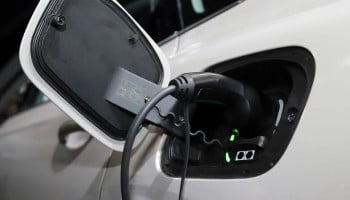
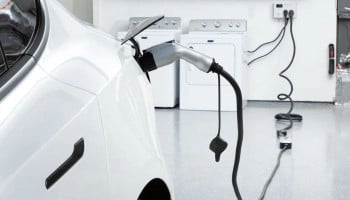
If your EV is plugged in while preconditioning, it draws electricity from the grid instead of the battery to cool the cabin. This not only makes the drive more comfortable but also preserves valuable battery range for the journey ahead.
3. Drive smoothly to reduce battery heat
Aggressive acceleration and hard braking generate additional heat and increase energy consumption. Driving more smoothly helps the battery operate more efficiently while reducing unnecessary thermal stress.
Many EVs also include Eco Mode or similar driving settings that optimize power delivery for maximum efficiency during hot weather.
4. Use air conditioning wisely
Air conditioning does consume battery power, but usually far less than many drivers expect. Instead of blasting the A/C at maximum settings, use moderate cooling or seat ventilation if available.
At highway speeds, keeping the windows closed is often more efficient than driving with them open, as open windows create aerodynamic drag that can reduce range.
5. Charge during cooler hours
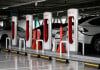
High temperatures combined with DC fast charging can increase battery temperatures, causing the vehicle to automatically reduce charging speeds to protect the battery.
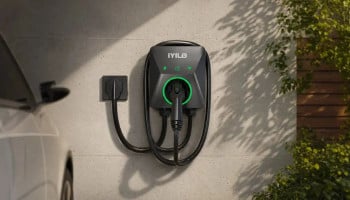
Whenever possible, schedule charging overnight when temperatures are lower. If you're using a DC fast charger on a road trip, stopping at around 80% state of charge is usually more efficient, as charging slows considerably beyond that point and generates additional heat.