Jul 14, 2026
As electric vehicles (EVs) continue to gain popularity, home charging has become the preferred choice for many drivers.
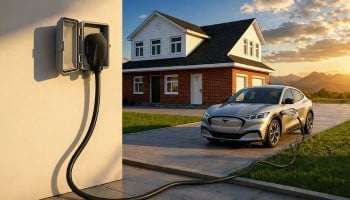
Installing a home EV charger offers convenience, lower running costs, and the ability to start every day with a fully charged battery.
However, one question many first-time EV owners ask is: How much electricity does an EV charger actually consume? The answer depends on several factors, including the type of charger, your vehicle's battery capacity, charging efficiency, and driving habits.
Here's everything you need to know.
Charger type
The type of EV charger you use has the biggest impact on charging speed and electricity consumption.
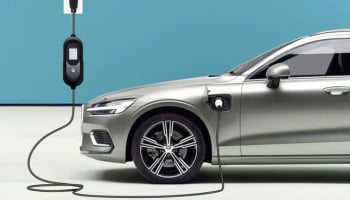
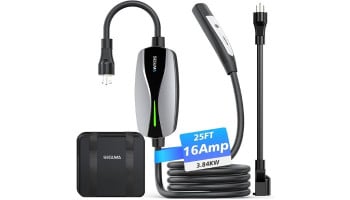
A Level 1 charger, which plugs into a standard 120V household outlet, typically consumes around 1.3 kW of electricity per hour. It is the slowest charging option and can take anywhere from 12 to 24 hours to fully recharge an EV.
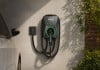
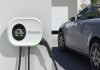
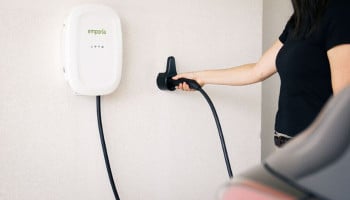
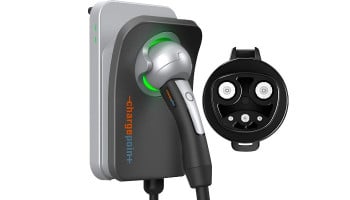
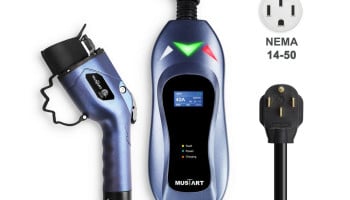
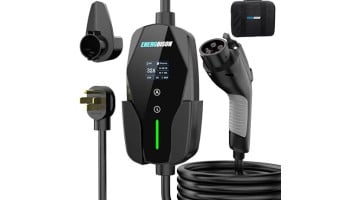
A Level 2 charger is the most popular option for home charging. Running on a 240V power supply, it generally delivers between 7 kW and 11.5 kW, allowing most EVs to recharge in 4 to 8 hours, depending on battery size.
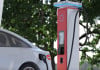
Meanwhile, DC fast chargers are designed for public charging stations. They consume between 50 kW and 350 kW, providing rapid top-ups that can add significant driving range in just a few minutes.
Battery size
An EV charger only supplies electricity—the amount of energy consumed depends largely on your vehicle's battery capacity.
Most modern EVs have batteries ranging from 30 kWh to 100 kWh. Smaller city EVs require less electricity to reach a full charge, while larger SUVs and luxury EVs naturally consume more power.
On average, an EV uses approximately 30 kWh to travel 100 miles, although efficiency varies by model and driving conditions.
Charging isn't 100% efficient
Not every unit of electricity drawn from the grid reaches the battery. During charging, around 10 to 15% of energy is typically lost as heat, meaning most home charging systems operate at roughly 85 to 90% efficiency.
Weather conditions, battery temperature, and charger quality can also influence overall energy consumption.
How to reduce charging costs
Charging during off-peak electricity hours is one of the easiest ways to reduce energy bills. Many modern Level 2 chargers also include smart scheduling features that automatically start charging when electricity rates are lowest.
Moreover, keeping charging equipment clean, inspecting cables regularly, and avoiding unnecessary full charges can also improve efficiency and support long-term battery health.