Zainab Talha
  Jul 09, 2026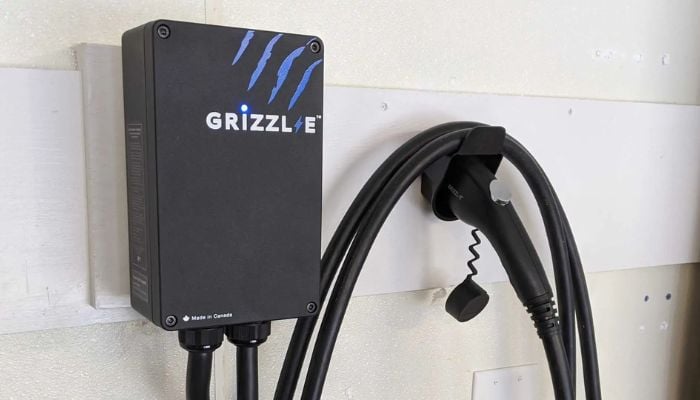
As electric vehicles (EVs) become increasingly common, more homeowners are investing in dedicated home charging solutions to make daily driving more convenient. However, one important question often arises: Should you install your EV charger indoors or outdoors?
While the answer depends on your home's design, parking arrangement, local climate, and charging habits, understanding the advantages and limitations of each setup will help you make the right decision.
Indoor EV chargers: Ideal for garages
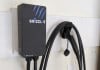
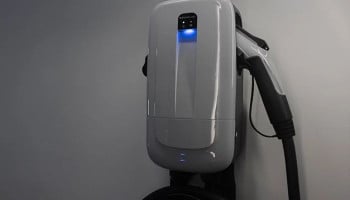
For homeowners, installing an EV charger indoors is often the simplest option. Most garages already have nearby electrical infrastructure, making installation easier and, in many cases, less expensive than running power outdoors.
An indoor charger also offers year-round protection from harsh weather conditions.
Another advantage is security. Since the charger remains inside a locked garage, it is less exposed to accidental damage, theft, or vandalism.
Outdoor EV chargers: Built for flexibility
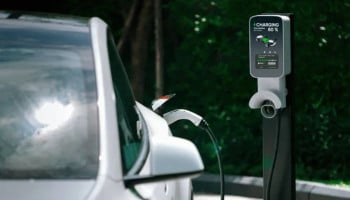
Not every homeowner has access to a garage, and that's where outdoor EV chargers become the practical choice.
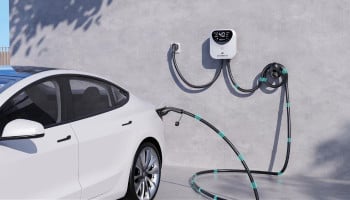
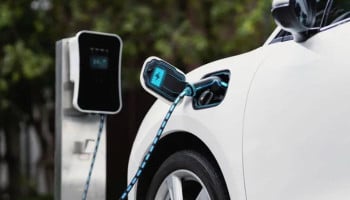
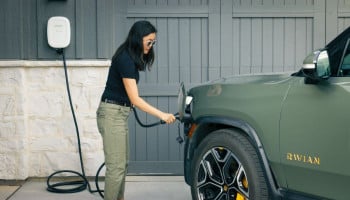
Outdoor chargers provide greater flexibility, particularly for homes with driveway parking or properties where multiple vehicles need convenient access.
However, outdoor installation usually requires additional planning. Electricians may need to install underground conduit, weatherproof electrical fittings, or dedicated mounting posts depending on the location.
Key factors to consider before choosing
Before deciding where to install your EV charger, consider the following:
- Parking location: If your EV is usually parked inside a garage, an indoor charger offers the most convenient solution.
- Installation costs: Indoor installations often use existing electrical wiring, while outdoor setups may require trenching, conduit work, or weatherproof electrical equipment.
- Weather exposure: Although most chargers are designed for outdoor use, indoor installation offers better long-term protection from environmental wear.
- Accessibility: Outdoor chargers are easier to access if multiple vehicles or family members regularly need to charge.