Zainab Talha
  Jul 04, 2026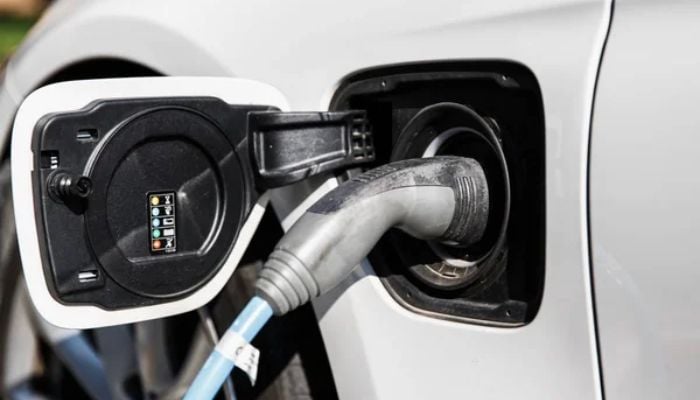
With electric vehicles (EV) becoming more common, choosing the right EV charger is just as important as selecting the car itself.
With dozens of home charging options available, buyers often focus on charging speed alone, but factors such as compatibility, installation requirements, smart features, and future needs can make a significant difference in everyday use.
Whether you're buying your first EV or upgrading your current charging setup, Gadinsider has listed five factors to consider before investing in an EV charger.
1. Choose the right charging speed
The first step is understanding how quickly you need your vehicle to charge. For most homeowners, a Level 2 charger offers the best balance between speed and convenience, delivering enough power to recharge most EVs overnight.
However, the charging speed also depends on your vehicle's onboard charger, meaning a higher-powered charging station won't necessarily charge every EV faster.
Drivers who travel short daily distances may find a standard home charger sufficient, while those with larger battery packs or frequent long-distance driving should consider higher-output Level 2 units.
2. Check compatibility before buying
Not every charger works the same way with every vehicle. Before making a purchase, confirm that the charger supports your vehicle's connector type, such as SAE J1772 or NACS for Tesla models.
Buyers should also consider chargers that support open standards like OCPP, which provide greater flexibility for software updates and future compatibility.
3. Decide between tethered and untethered chargers
One of the significant decisions is whether to choose a tethered charger with a permanently attached cable or an untethered unit that allows you to use your own charging cable.
Tethered chargers offer greater convenience since the cable is always ready to use, while untethered models provide more flexibility, allowing drivers to replace damaged cables or carry them when travelling.
4. Consider installation and smart features
Before purchasing a home charger, check that your property meets the installation requirements. A suitable parking space, adequate electrical capacity, and a practical installation location all help reduce installation costs.
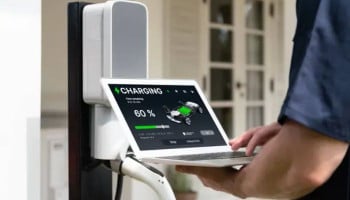
Many modern chargers also include Wi-Fi connectivity, smartphone apps, charging schedules, and energy monitoring. These features allow drivers to charge during off-peak electricity hours, helping reduce long-term charging costs while giving better visibility over household energy consumption.
5. Think beyond today's needs
Since, an EV charger is a long-term investment, so it should be able to accommodate future vehicles and increasing charging demands.
It's also worth considering the total ownership cost rather than focusing solely on the purchase price. Installation expenses, electricity usage, maintenance, and warranty coverage all contribute to the overall value of a charging solution.