Zainab Talha
  Jul 06, 2026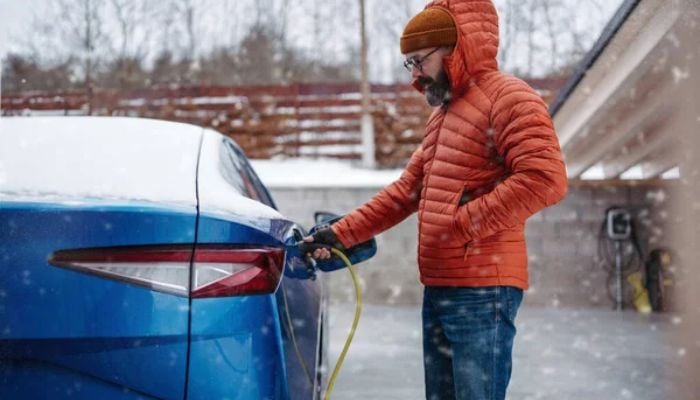
Driving in winter brings a new set of challenges for electric vehicle (EV) owners, but cold weather does not have to disrupt your charging routine.
While low temperatures can temporarily reduce battery efficiency and slow charging speeds, understanding how your EV works in winter can help you maintain the performance throughout the cold season.
Gadinsider has brought you a guide about things that every EV owner should know about charging in cold weather.
How cold weather affects EV charging?
EVs use lithium-ion batteries that perform best within a moderate temperature range, typically between 60°F and 90°F (15°C to 32°C). When temperatures fall well below this range, the chemical reactions inside the battery slow down, making it harder for energy to move efficiently.
As a result, EV batteries may charge more slowly and deliver less driving range during winter.
Depending on the temperature and vehicle, drivers may notice a temporary range reduction of around 10% to 30%. Fortunately, this loss is not permanent and battery performance returns to normal as temperatures rise.
It is worth noting that this is not an issue unique to EVs as petrol and diesel cars also become less efficient in cold weather due to thicker engine fluids, increased fuel consumption, and severe driving conditions.
Choose the right charging method
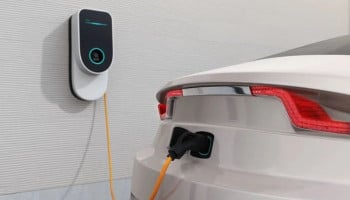
For most homeowners, a Level 2 charger remains the best option during winter because these chargers typically operate over several hours, the battery gradually warms while charging, minimising the impact of cold temperatures.
However, Level 1 charging is far less practical in freezing conditions. The slower charging rate means much of the incoming energy may be used simply to keep the battery warm rather than increasing the battery's charge level.
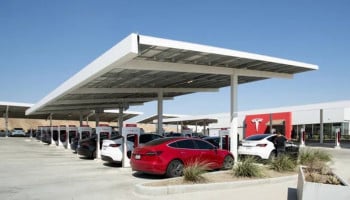
Meanwhile, public DC fast chargers are affected the most during winter. While charging session normally takes 20 to 30 minutes, it may extend to 40 minutes or even longer if the battery is extremely cold.
Pre-condition your vehicle before driving
One of the biggest advantages of owning an EV is the ability to pre-condition the battery and cabin while the vehicle remains plugged in.
Pre-heating the battery helps it reach its ideal operating temperature before driving, improving charging efficiency, increasing available range, and reducing the amount of battery energy needed to heat the cabin once you start your journey.
Similarly, battery maintenance becomes even more important during colder months. Whenever possible, use Level 2 home charging instead of relying exclusively on frequent DC fast charging, as slower charging places less long-term stress on the battery.
Moreover, planning your route before leaving home helps reduce unnecessary stops, allowing you to make the most of your available battery range.