Jul 13, 2026
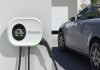
As more drivers install Level 2 EV chargers at home, maintaining the EV charger is equally hectic as choosing the right option.
While modern EV chargers are built to withstand years of daily use, they are still exposed to dust, moisture, temperature changes, and general wear.
Fortunately, maintaining an EV charging station doesn't require specialised tools or technical expertise. A few simple checks and regular cleaning can help ensure your charger continues to deliver reliable performance for years to come.
Why regular EV charger maintenance matters
An EV charger is a long-term investment. Whether it's installed inside a garage or mounted outdoors, regular maintenance helps:
- Extend the charger's lifespan
- Maintain consistent charging speeds
- Reduce the risk of electrical faults
- Improve user safety
- Prevent expensive repairs or replacements
How to clean your EV charging station
Cleaning your EV charger is one of the easiest ways to keep it operating efficiently.
- Start by turning off the charger if recommended by the manufacturer. Wipe the exterior housing using a soft microfiber cloth lightly dampened with water.
- Avoid abrasive sponges or harsh cleaning chemicals, as these can damage the casing or protective coatings.
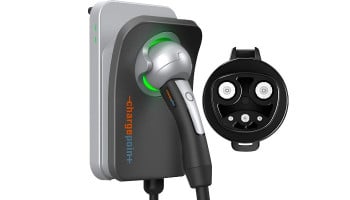
- Pay particular attention to the charging connector. Dust, leaves, or small debris can accumulate inside the connector over time.
- Use compressed air or a soft, dry brush to gently remove any dirt without touching the electrical contacts.
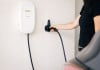
- The charging cable should also be wiped clean regularly, especially if it rests on the ground during charging sessions. Dirt buildup can gradually wear down the cable's outer insulation.
Inspect cables and connectors regularly
Every few weeks, inspect the charging cable for signs of damage such as:
- Cracks or cuts
- Frayed insulation
- Bent connector pins
- Loose fittings
- Burn marks or discoloration
If you notice any visible damage, discontinue use immediately and replace the affected component. Never attempt to repair a damaged EV charging cable yourself.
Check the power supply
A reliable electrical connection is essential for safe charging.
Periodically inspect the charger for warning lights or fault messages and verify that the circuit breaker has not tripped unexpectedly.
Any inspection involving internal wiring, breakers, or electrical panels should always be performed by a licensed electrician.
Protect outdoor chargers from the weather
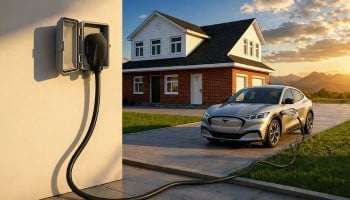
Although most home EV chargers carry weather-resistant ratings such as IP54, IP65, or IP66, additional protection can help extend their service life.
For outdoor installations:
- Keep the connector docked when not in use.
- Remove snow, mud, and standing water around the charger.
- Avoid pressure washing the charger directly.
- Inspect seals and cable connections after severe storms.
- Use a protective enclosure if recommended by the manufacturer.