Dec 08, 2025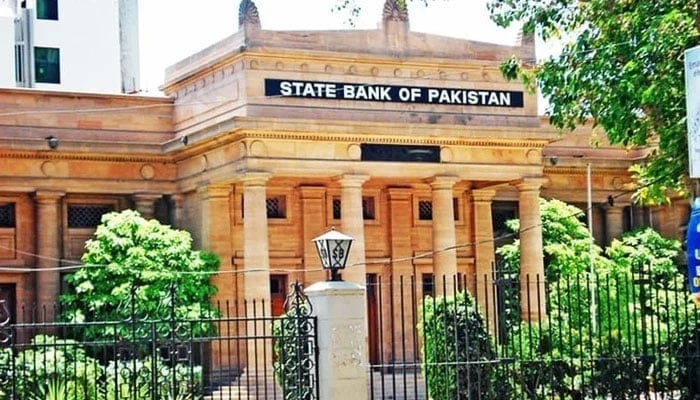
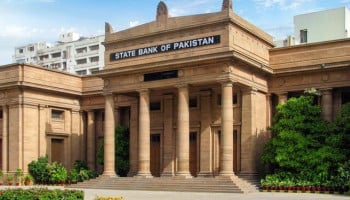
The federal government has instructed the State Bank of Pakistan (SBP) to address the credit crisis faced by small and medium enterprises (SMEs), as they require financing to manage their business operations.
During a high-level meeting, representatives from the medium-sized enterprises have called for a shift from the normal tax regime to the fixed tax system, noting the requirement for a simpler and more predictable taxation framework.
Expressing dissatisfaction with taxation and high energy costs, the SMEs explained that they have no easy access to funding to grow their businesses.
Understanding the importance of SMEs, the Prime Minister Shehbaz Sharif-led government claims that it is undertaking measures to address their challenges, including bringing tax reforms, curbing energy costs, providing bank credit and ensuring export competitiveness.
In the meeting, participants discussed in detail the major challenges faced by micro, and SMEs, which the PM aide described as "the engine of Pakistan's economy".
The Sialkot delegation stated high electricity prices and restricted banking support as major obstacles to business growth. They also raised concerns over the difficulties faced by the surgical instrument industry, noting that the absence of an accreditation laboratory was severely affecting Pakistan's exports.
"Non-accredited surgical instruments are not accepted in global markets," highlighted the Sialkot delegation.
Speaking at the meeting, Special Assistant to the Prime Minister on Industries and Production (SAPM) Haroon Akhtar Khan informed that the federal government was working to introduce a fixed tax regime for SMEs, providing better facilities. He announced a new incentive package based on electricity consumption, under which power tariffs would decrease as industrial units consume more electricity.
To address the surgical instrument industry's concerns, the SAPM directed the Small and Medium Enterprises Development Authority (SMEDA) and the Trade Development Authority of Pakistan to jointly develop a strategy for starting proper accreditation facilities.