Jul 18, 2026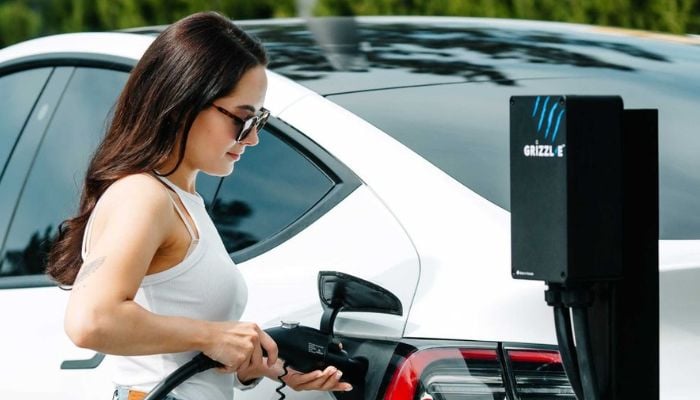
Winter weather can make EV ownership more challenging, but they don't have to make charging unreliable.
As freezing temperatures naturally reduce battery efficiency and slow charging speeds, choosing the right home EV charger can help ensure dependable performance throughout the cold season.
Whether you live in a region that experiences heavy snowfall or sub-zero temperatures, investing in a charger built for winter conditions can make daily charging far more convenient.
Gadinsider therefore, has highlighted three of the best EV chargers for cold weather and explains how winter temperatures affect EV charging.
1. Grizzl-E Classic
The Grizzl-E Classic stands out as one of the most dependable home chargers for cold climates.
Manufactured by a Canadian company, this charger is designed specifically for harsh winter environments and is rated to operate at temperatures as low as -22°F (-30°C).
Its premium silicone charging cable remains flexible in freezing conditions, unlike standard PVC cables that can become stiff and difficult to handle.
2. Tesla Wall Connector
For Tesla drivers, the Tesla Wall Connector is one of the strongest options for winter charging. Rated to -22°F (-30°C), it integrates neatly with Tesla vehicles while supporting battery preconditioning before charging.
This feature warms the battery pack before charging begins, helping improve charging efficiency in cold temperatures.
3. ClipperCreek HCS-50
Drivers facing the harshest winters may find the ClipperCreek HCS-50 the most reliable option available. It carries an industry-leading operating temperature rating of -40°F (-40°C), making it one of the toughest residential EV chargers on the market.
Rather than focusing on smart features or mobile apps, the HCS-50 prioritizes durability with a rugged, maintenance-free design that continues operating reliably in extreme weather.
How cold weather affects EV charging
EVs use lithium-ion batteries that perform most efficiently between 60°F and 90°F (15°C to 32°C). As temperatures fall below this range, the chemical reactions inside the battery slow down, reducing charging efficiency and temporarily limiting available driving range.
Depending on the vehicle and weather conditions, drivers may experience a 10% to 30% reduction in range during winter.