Dec 13, 2025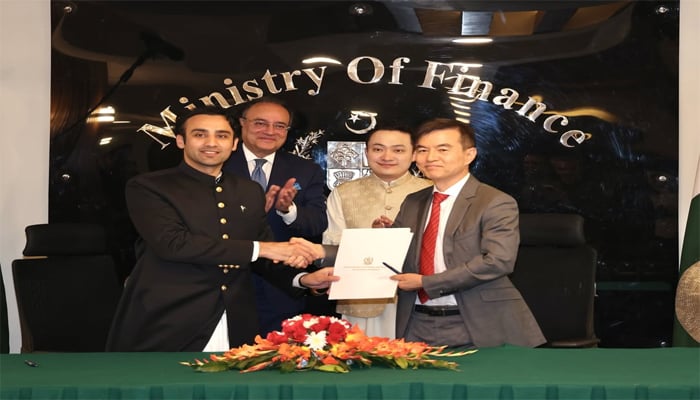
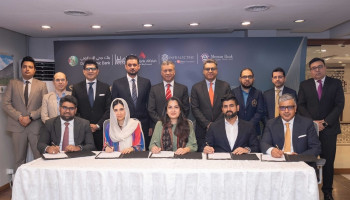
Pakistan on Friday signed a Memorandum of Understanding (MoU) with Binance to explore the "tokenisation" of up to $2 billion in the country’s assets.
Federal Minister for Finance and Revenue Senator Muhammad Aurangzeb, in a statement, stated: "The MoU establishes a framework for exploring potential collaboration on the tokenisation and blockchain-based distribution of Pakistan's real-world and sovereign assets.
"The assets can include sovereign bonds, treasury bills, commodity reserves such as oil, gas, metals or other raw materials owned by the government. Tokenisation is the process of creating a digital version of an asset," added the finance ministry.
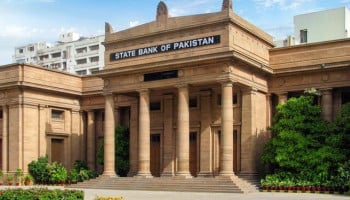
Seperately, the Pakistan Virtual Assets Regulatory Authority (PVARA) issued no objections certificates (NOCs) to Binance and HTX, giving them permit to start regulated engagement in the country's digital asset market.
The NOCs were granted after a formal review process in coordination with public-sector stakeholders, focus on governance, compliance, risk management, and alignment with emerging regulatory requirements, read a statement issued by the PVARA.
Taking to X (formerly Twitter), the Ministry of Finance said: "The initiative could involve assets of up to $2 billion, subject to approvals, with the aim of improving liquidity, transparency and international market access."
Binance founder Changpeng Zhao emphasised the agreement as "a great signal for the global blockchain industry and for Pakistan", saying it marked the beginning of a move toward full deployment of the tokenisation initiative.
PVARA Chairman Bilal bin Saqib labelled the development "the beginning of a new chapter for Pakistan’s digital asset ecosystem.
"The issuance of these NOCs is the first step toward a fully licenced and regulated environment that places consumer protection, financial integrity, and responsible innovation at its core," added Bilal.
The issuance of the NOCs, however, does not constitute a full operating licence, read the communique.
The NOCs allow the firms to register on the Financial Monitoring Unit (FMU) go Anti-Money Laundering (goAML) system, engage with the Securities and Exchange Commission of Pakistan (SECP) for local subsidiary incorporation, submit full VASP license applications, and provide AML-registered services after goAML registration.
PVARA stressed timely regulation to ensure transparency, governance, and market integrity while signalling that Pakistan was open to responsible innovation under structured rules.