Apr 22, 2026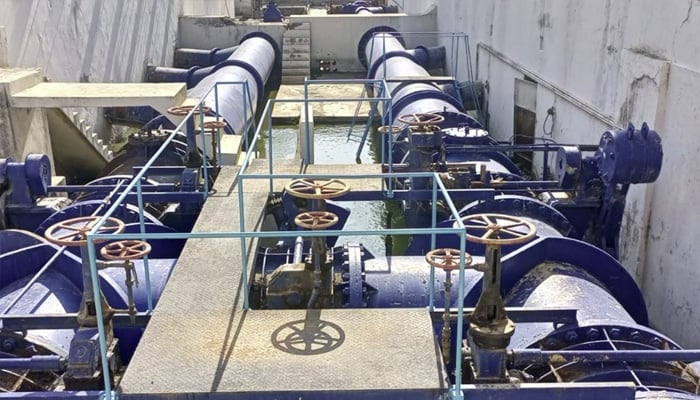
The Karachi Water and Sewerage Corporation (KWSC) has officially launched an citywide bulk flow metering digital system, which will monitor the distribution of water through an integrated digital network, ensuring accurate measurement and oversight of supply across the city.
Karachi Mayor Murtaza Wahab stated: "This development in the city’s water supply is the most critical civic challenge. The absence of a reliable measurement system in the past had significantly affected both distribution efficiency and revenue recovery. This transformative initiative will enhance operational performance while laying the groundwork for transparent and fair billing practices."
In its initial stage, a pilot measurement system is being installed to monitor water supplied in bulk to industries, housing societies and other major consumers.
The project will be expanded in phases, with future plans to extend metering to commercial, industrial and eventually domestic consumers — ensuring comprehensive monitoring of water usage at all levels.
Once fully implemented, the system will create a complete digital record of water supply to households, businesses, and industries, fostering accountability and sustainability in Karachi’s water sector.
“As part of the pilot phase, approximately 100 monitoring chambers have been established across key locations to regulate and assess water flow,” said the statement.
“Advanced ultrasonic flow meters, being introduced in Pakistan for the first time and utilising cutting-edge sound wave technology for precise measurement, have been procured and will be installed in pipelines across major installations,” it added
The installations to have the system include
- Ajmer Pump House
- Nagan Chowrangi
- University Reservoirs
- Banaras Pump House
- Korangi Model Park
- Hub Reservoir
- North East Karachi (NEK) Reservoir
- Chungi Naka
- Gharo Pumping Station.
During the pilot phase, bulk flow meters are being installed at 43 strategic locations to monitor area-wise water distribution.
It is important to note that this digital system will create real-time data, letting authorities identify shortages, minimise wastage, and ensure a more equitable supply for residential, commercial, and industrial consumers.
The project is funded by the Sindh government and supported by the World Bank (WB) under the Karachi Water and Sewerage Services Improvement Project (KWSSIP).