Business Desk
  Feb 05, 2026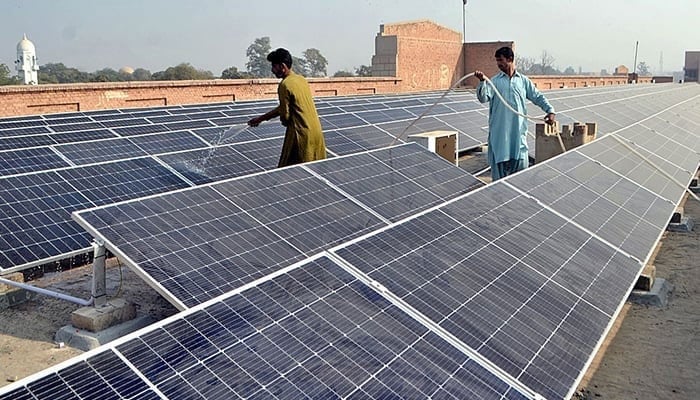
The National Electric Power Regulatory Authority (Nepra) on Wednesday announced to move ahead with plan of switching from net metering to net billing, which can spark a backlash from consumers.
Nepra has announced to hold a public hearing on Friday, February 6, 2026, to review views of proponents and opponents of the proposed policy shift. The focus of the hearing will be on the draft Prosumer Regulations 2025, published on December 16, 2025.
What is solar net metering?
Net metering allows netizens to get full credit for the energy they generate through solar system at their homes. Net billing credits consumers at a lower rate for the energy they supply to the grid, which results that they are compensated less for surplus energy.
By compensating these consumers at a reduced rate, the net billing ensures that the grid remains financially viable, helping balance the interests of solar and non-solar consumers.
Moreover, solar net metering encourages efficient use of solar energy while easing the burden on grid-dependent users.
The draft gives guidelines on the installation of distributed generation facilities, such as solar, wind and biogas, with Pakistan's electricity grid. These regulations define roles and responsibilities of prosumers, licensees and Nepra, focusing on the application process, interconnection standards and billing procedures.
The regulations aim to begin a fair framework for both small-scale producers and the broader energy sector, ensuring safety, technical feasibility and effective integration with the grid in Pakistan.