Jan 20, 2026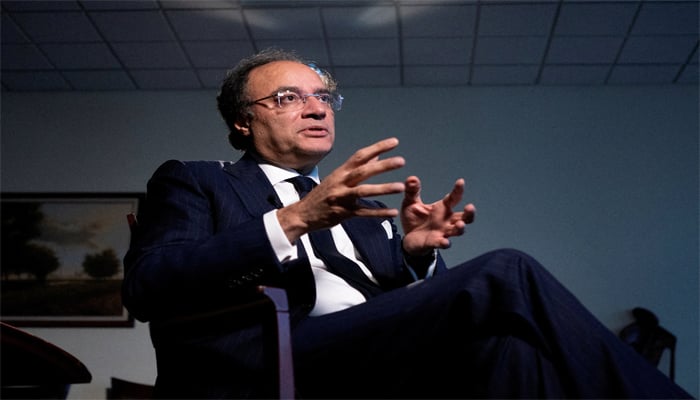
Pakistan on Tuesday announced its return to the global bond market after a gap of four years, showing the country's progress towards economic stabilisation after averting a last-minute default just a few years ago.
Speaking to Bloomberg, Minister of Finance of Pakistan Muhammad Aurangzeb said Pakistan will issue a proposal for advisers in the coming weeks. The finance minister shared that the government is still assessing whether to issue a dollar, euro or sukuk bond, and also gearing up to launch the country's first-ever panda bond.
As per the report, Pakistan had effectively been shut out of the bond market since 2022 but has regained its footing after adopting fiscally prudent measures as part of bailout programs with the International Monetary Fund (IMF).
“We have consolidated our gains in terms of macroeconomic stability,” Aurangzeb told Bloomberg. “If you look at every key indicator — inflation, interest rates, the fiscal position and the current account — the direction of travel has clearly improved.”
The report added that Pakistan's inflation — which raised at about 40% — has decreased to single digits. Global credit rating
The report noted that Pakistan’s inflation, which peaked at about 40%, has fallen to single digits. Global credit rating agencies, including Moody’s, S&P and Fitch, have upgraded Pakistan’s ratings.
“Foreign-exchange reserves are expected to reach three months of import cover in the year ending June, a level seen as a global benchmark,” said the minister, adding that macroeconomic stabilisation has gone hand in hand with long-delayed structural reforms, including the sale of government-owned companies and an expansion of the tax net.
“We have to stay the course on reforms,” he said. “That’s the only way to move toward sustainable growth.”
Aurangzeb further added the government seeks to shift toward export-led growth to avoid the import-driven expansions, which have created balance-of-payments crises.