Pareesa Afreen
  Dec 30, 2025
Electric vehicles (EVs), ranging from electric cars to cycles and rickshaws powered by electricity and not petrol or diesel, are what Pakistan’s first-ever national EV policy revolves around.
With this policy, the federal government plans to minimise the country’s transport-associated imports by a maximum of $9 billion. The development regarding the status of the policy on electric vehicles in Pakistan was briefed to lawmakers this week.
The briefing was conducted during the sitting of the Senate Standing Committee on Industries and Production at the Parliament House on Monday, chaired by Senator Khalida Ateeb.
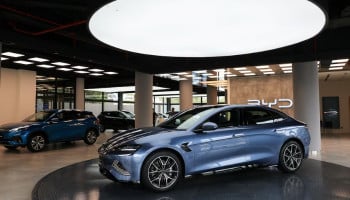
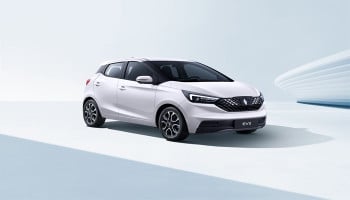
The officials revealed that foreign-made electric cars would be charged taxes, whereas zero or minimal duties would be imposed on locally produced cars. Import duties would also be charged on car components in an attempt to boost their local assembly in Pakistan.
In the third phase of the implementation of the EV policy in Pakistan, the government has already issued licences to the manufacturers. As stated by the Ministry of Industries, 17 licences have been issued for three- and four-wheelers for electric vehicles.
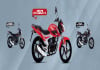
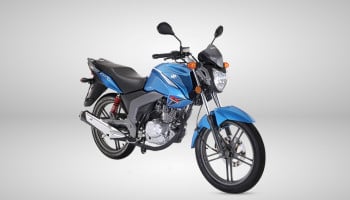
Moreover, 77 licences have been issued for the sale of electric motorcycles. Four more licences for the sale of larger EVs are under process. By 2030, 30% of the vehicles in Pakistan will be electric vehicles. There would be 2.2 million EVs added to the vehicles in Pakistan.
To boost adoption, subsidies of Rs80,000 for electric motorcycles and Rs400,000 for electric rickshaws are being offered. This year alone, subsidies will cover 116,000 electric bikes and 3,170 electric rickshaws, funded through a carbon levy expected to generate Rs 120 billion.
Officials also confirmed that 40 EV charging station locations from Peshawar to Karachi have been identified, with new laws in the works to mandate charging stations at petrol pumps.