Jul 19, 2026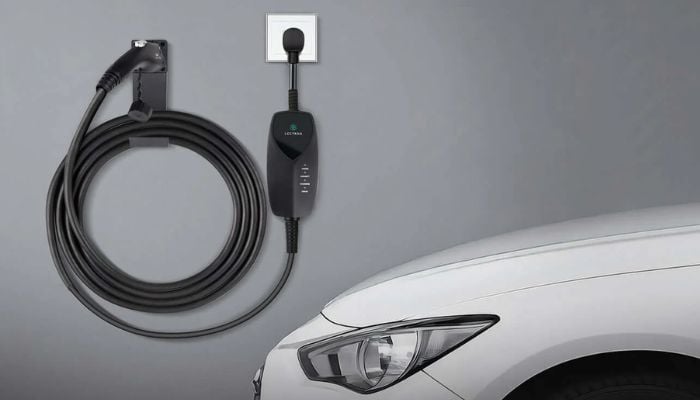
As electric vehicles (EVs) become an increasingly common sight on roads, home charging has become one of the most important considerations for both new and existing EV owners.
While charging speed and smart features often receive the most attention, another decision can have a significant impact on everyday convenience—whether to choose a tethered or untethered EV charger.
Gadinsider has explained the key differences between tethered and untethered EV chargers, along with their advantages and drawbacks, to help you make an informed buying choice.
What is the difference between tethered and untethered EV chargers?
The biggest difference lies in the charging cable. A tethered EV charger comes with a charging cable permanently attached to the charging unit.
On the other hand, an untethered EV charger features only a charging socket. Users must connect their own charging cable between the charger and the vehicle each time they charge.
Tethered EV chargers
Tethered chargers are designed for drivers who want the quickest and simplest charging experience at home. Because the cable is permanently attached, there's no need to retrieve or connect a separate charging cable every time the vehicle is plugged in.
However, that convenience comes with a few trade-offs. Tethered chargers generally cost more because the cable is included, and users are limited to the supplied cable length.
Untethered EV chargers
Untethered chargers appeal to EV owners who prefer a more adaptable charging setup.
Since the charging cable is separate, users can choose different cable lengths or replace cables when changing vehicles without replacing the charger itself.
The drawback is that drivers must connect and disconnect the cable during every charging session and store it safely afterwards.
Which EV charger should you choose?
Both tethered and untethered chargers provide reliable Level 2 home charging, and neither option is inherently better than the other.
Drivers who charge their EV every day and prioritise convenience will likely appreciate the simplicity of a tethered charger, which offers a ready-to-use cable and faster day-to-day operation.
Meanwhile, those who own multiple EVs, anticipate changing vehicles in the future, or simply prefer greater installation flexibility may find an untethered charger to be the smarter long-term investment.