Tech Desk
  May 17, 2026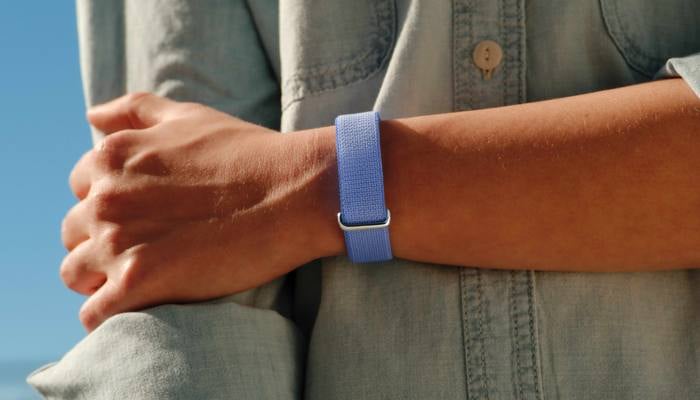
Wearing a smartwatch all day long sometimes gets distressing, especially when constant notifications disrupt your focus by buzzing phone display and awakening screens. But this is what the Google Fitbit Air fixes.
Instead of acting like a miniature smartphone on your wrist, this ultra-lightweight fitness tracker is mainly aimed at passive health tracking and recovery insights.
At a glance, the Fitbit Air appears refreshing and compact. The tiny 5-gram sensor pops into interchangeable bands and skips a display. For those wondering, it relies on subtle LED indicators and vibration feedback for battery information.
Thanks to its lightweight build, the device feels far more comfortable for overnight wear than most traditional smartwatches.
Major specifications
- 5-gram screenless pebble sensor
- Up to 7-day battery life
- 5-minute quick charging support
- Optical heart rate monitoring
- Blood oxygen (SpO2) tracking
- Skin temperature sensor
- HRV and AFib monitoring
- 50-meter water resistance
- Automatic workout detection
- Google Health app integration
Pros
- Extremely lightweight and comfortable
- Excellent passive health tracking
- No mandatory subscription required
Cons
- No built-in GPS
- No screen or notifications
- Advanced AI features require subscription
The Fitbit Air's most noteworthy aspect is the ease users feel when it's worn.
The best part: No display on the tracker means no attention demanded.
It quietly focuses on collecting data about your recovery and well-being throughout the day and night.
Another special feature is its sleep tracking, offering insights into sleep stages, heart rate variability, and breathing rate.
As it lasts up to seven days on a single charge, battery life must be counted on. The wearable avoids the frustrating daily charging cycle which is common with many smartwatches. Therefore, the hysterical outcome is that a quick five-minute charge provides enough power for a full day of tracking.
Coming to the software segments. The integration of Google's new Health app also looks like a mindful addition. It enables users to pair both a Pixel Watch and Fitbit Air simultaneously, using the smartwatch during the day and switching to the lighter tracker overnight while keeping health data across devices.
The only downside is that its minimalist approach will not appeal to everyone, primarily those who prefer aesthetics. Also, there is no built-in GPS, no floor-climbing detection, and no on-wrist notifications. This handful of shortcomings amounts to a discouraging factor for users who love a premium smartwatch experience.
Even with that being the case, for those prioritising comfort, recovery tracking, and distraction-free wellness monitoring, the Google Fitbit Air os one of the smartest fitness wearables Google has to offer.