Dec 07, 2025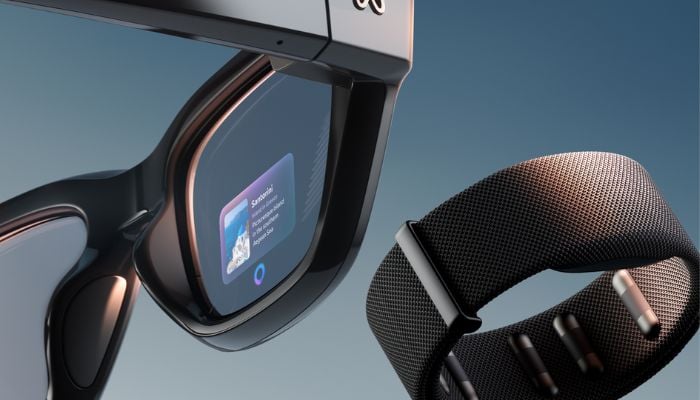
Privacy concerns are escalating in the age of artificial intelligence, with AI-powered glasses now capable of recognising strangers in seconds.
A Dutch journalist recently tested one such pair on the streets, showing how such devices can instantly display a target's name, their social media profiles, LinkedIn details, and other publicly available information.
A video of the test, which has gone viral on X, shows how looking at someone merely triggers an instant display of their personal data.
Experts warn that as long as these glasses are worn, public information can be exposed without consent, blurring the line between being seen and being known.
According to tech analysts, this real-time recognition marks a turning point in surveillance and privacy. Every face becomes, in effect, a dataset, raising ethical questions about how society defines personal boundaries in public spaces.
The AI-powered glasses market is growing swiftly. Meta came up with the $799 Meta Ray-Ban Display glasses in September. This has a built-in display. Alibaba, China's retail giant, too, has not been left behind and has entered the space with its Quark AI glasses offering S1 and G1.
Privacy advocates warn that the proliferation of these could mean widespread exploitation of personal data.