Business Desk
  Dec 24, 2025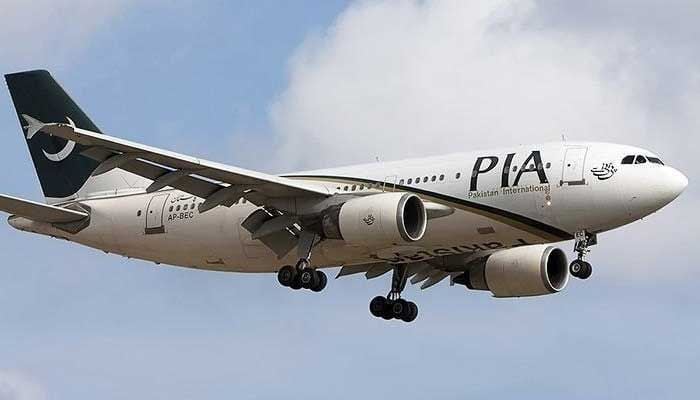
The long-awaited privatisation of PIA has received mixed yet strong reactions from economists, with many calling it an important indicator that Pakistan is now serious about doing the right thing.
Privatisation is an act of the government selling an organisation operating in the country, losing money, so these groups can cut the losses as well as increase their efficiency. Pakistan International Airlines (PIA), coming from Pakistan, had lost millions of dollars over the years.
In a conversation with The News, economic analyst Uzair Younus, who is based in Washington, said that this sale sends a message to investors.
The government should make all efforts to get out of businesses, and sectors like energy should follow suit. The deregulation of the energy sector, followed by privatisation, is a top priority of 2026 for me, he said.
On Tuesday, a consortium fronted by Arif Habib Corporation submitted the highest bid of 135 billion Rupees for 75% of Pakistan International Airlines in the first major privatisation in Pakistan after about two decades.
The privatisation has been forced on Pakistan because of its $7 billion IMF program that insists on reforms in all loss-making state-owned companies. Arif Habib increased his bid following tough competition from another group fronted by Lucky Cement, but Airblue pulled out early in the process with much lower bids.
Government officials stated that 92.5% of the proceeds will be reinvested in PIA, while the remaining amount will be allocated to the federal government. The state will retain a 25% stake, which may be sold at a later date.
Market experts like Mohammed Sohail from Topline Securities said the bidding exceeded expectations and reflects renewed investor confidence.