Rehan Shahid
  Dec 16, 2025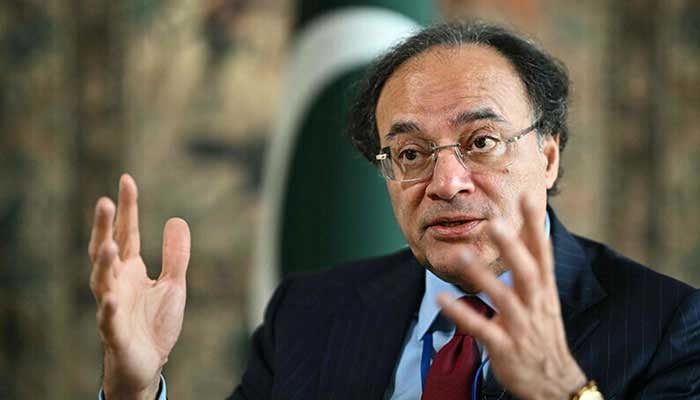
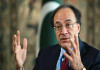
Finance Minister Muhammad Aurangzeb has shared that Pakistan's future depends not in aid but in partnerships based on trade and investment, through the country boosts its economy and stand itself as a state who has advance technology.
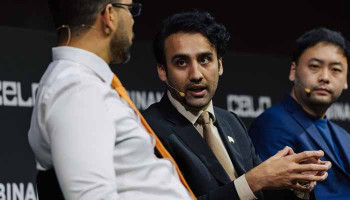
Speaking in an interview with CNN Business Arabia, FinMin Aurangzeb said over the past 18 months, Pakistan has implemented a comprehensive economic stabilisation programme, which has delivered positive and measurable results.
He further added that inflation, which had peaked at 38%, has now fallen to single digits. On the fiscal front, Pakistan has achieved primary surpluses, while the current account deficit has remained within set targets. "The exchange rate has stabilised and foreign exchange reserves have improved to a level equivalent to around two and a half months of imports, indicating stronger external resilience."
Economic stability has been achieved through discipline discal and monetary policies, and wide-ranging structural reforms.
The minister added that reforms are underway in key areas — which include taxation, energy, state-owned enterprises, public financial management and privatisation — aimed at strengthening stability and laying the foundation for sustainable economic growth.
Discussing on tax reforms, he stated Pakistan's tax-to-GDP ratio remained at 8.8% at the beginning of the reform programme and increased to 10.3% in the last fiscal year, with a clear roadmap in place to raise it to 11%.
The government’s objective is to develop a tax system that ensures fiscal self-reliance in the medium and long term. To this end, economically significant but undertaxed sectors such as real estate, agriculture, and wholesale and retail are being brought into the tax net.